What Is Hand-Arm Vibration Syndrome (HAVS)?
Symptoms, Risks, and How to Protect Your Workforce
✓
Medically reviewed by Dr Peter Aldridge
Chief Medical Officer, Assist Group
WorkCover-accredited Medical Practitioner – Hazardous Substances
40 years' experience in Industrial and Occupational Medicine
Last reviewed: June 2026
If you’ve ever wondered what is Hand-Arm Vibration Syndrome (HAVS) and why it’s a concern for workplaces, this article will guide you through everything you need to know.
We’ll cover what HAVS is (sometimes called HAVS syndrome or HAVS disease), the symptoms to look out for, the risks it can bring to workers, and how regular health checks can protect your team.
You’ll also find quick answers to common questions and a link to Assist Group’s HAVS medical testing service for businesses across Australia.
What Is HAVS?
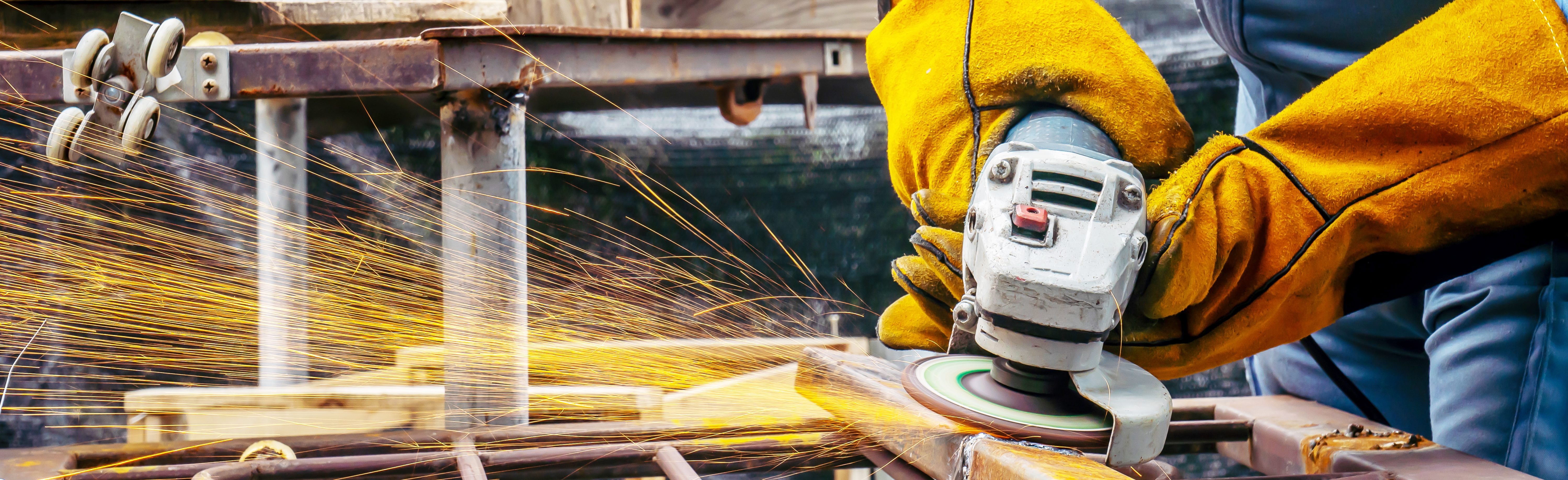
Hand-Arm Vibration Syndrome (HAVS) is a serious health condition that develops when workers use vibrating equipment over extended periods. Common tools linked to HAVS include jackhammers, grinders, chainsaws, power drills, and impact wrenches.
The constant vibration gradually damages blood vessels, nerves, and joints in the hands, wrists, and arms. If not addressed early, HAVS can lead to permanent disability.
Common Symptoms of HAVS
Recognising the early signs of HAVS can help prevent long-term harm. Symptoms may include:
- Tingling, numbness, or pain in the fingers and hands
- Reduced grip strength that makes everyday tasks difficult
- Skin colour changes, often turning white or pale in cold conditions (vibration white finger)
- Long-term nerve and circulation problems if unmanaged
Why Is HAVS Surveillance Important?
You might be wondering, is HAVS reversible? Unfortunately, once the damage is done, it cannot be completely reversed. That’s why early detection and prevention are important
Regular HAVS medical assessments can:
- Identify early warning signs before they worsen
- Reduce injury claims, absenteeism, and downtime
- Keep your business compliant with SafeWork and WHS obligations
- Protect the long-term health and productivity of your workforce
Commonly Asked Questions
What is hand-arm vibration syndrome (HAVS)?
Hand-arm vibration syndrome (HAVS) is a permanent condition caused by prolonged use of vibrating tools or machinery. Also called HAVS syndrome or HAVS disease, it damages the nerves, blood vessels and joints in the hands and arms, causing numbness, tingling, pain, reduced grip strength and “vibration white finger”.
What causes HAVS?
HAVS is caused by regular, prolonged exposure to vibration from powered hand tools such as jackhammers, grinders, chainsaws, power drills, sanders and impact wrenches. Longer and more frequent tool use increases the risk of permanent nerve and blood-vessel damage.
What are the symptoms of HAVS?
HAVS symptoms include tingling, numbness and pain in the fingers and hands, and reduced grip strength. A key sign is “vibration white finger”, where the fingers turn white in cold conditions. Without action, the damage can become permanent.
Is HAVS reversible?
There is no cure for HAVS, and advanced nerve or blood-vessel damage is usually permanent. However, if the condition is caught early and vibration exposure stops, symptoms can sometimes improve or stop progressing — which is why early detection matters.
Who is most at risk of HAVS?
Workers who regularly use vibrating tools are most at risk, particularly in construction, mining, forestry, landscaping, manufacturing and automotive trades. Risk increases with daily or weekly tool use, longer exposure, cold conditions and poorly maintained equipment.
How is HAVS diagnosed?
HAVS is diagnosed through a health assessment that reviews the worker’s tool-use history and symptoms, followed by a physical examination and tests of grip strength, dexterity and nerve function. It is usually carried out by an occupational health provider as part of workplace health monitoring.
Is HAVS health monitoring required in Australia?
Australian WHS laws require employers to manage the risk of hand-arm vibration and monitor the health of affected workers. HAVS has no specific health-monitoring schedule like asbestos or silica, but regular assessments help meet these general WHS duties and detect damage early.
Can HAVS be prevented?
Yes. HAVS is preventable by reducing vibration exposure: using low-vibration tools, limiting continuous tool time, maintaining equipment, keeping hands warm, and monitoring worker health so early signs are caught before damage becomes permanent.
Protect Your Workforce With Assist Group
At Assist Group, we specialise in helping businesses safeguard their teams with structured HAVS medical assessments across Australia.
Visit our dedicated service page here to learn more and to protect your workforce from Hand-Arm Vibration Syndrome (HAVS).
About the Author
PA
Dr Peter Aldridge
Chief Medical Officer, Assist Group
Dr Peter Aldridge, Co-founder and Senior Medical Consultant at Assist Group Australia. Dr Peter has over 40 years' experience in the field of Industrial Medicine and is a WorkCover-accredited Medical Practitioner for Hazardous Substances.